How to Automate Competitor Price Monitoring Without Writing Code
A teardown of a no-code web scraping workflow for competitor price monitoring: what to scrape, how to schedule it, what breaks, what it costs, and where the legal lines sit.


Most teams monitor competitors by opening a few product pages every Monday and pasting prices into a sheet. By Thursday, half of those numbers are fiction. Amazon alone reprices more than 2.5 million times a day, and plenty of mid-market stores run the same playbook at smaller scale. At that speed, manual checking is not a process. It is a ritual.
This is a teardown of a web scraping automation workflow for competitor price monitoring that runs without code: what to scrape, how to schedule it, what breaks, what it costs, and where the legal lines actually sit. No data science degree required.
Why this is a scraping problem, not a spreadsheet problem
Pricing pages are built for humans but maintained by machines. Retail pricing engines react to demand, stock and each other continuously. If your price data is a week old, you are reacting to a market that no longer exists.
And you are not alone in the aisle. Imperva's 2026 Bad Bot Report put automated traffic at more than 53% of all web traffic in 2025, up from 51% the year before. Human traffic is down to 47% and falling. Some of that is scrapers like yours. Some of it is AI agents shopping for data. Either way, the aisle is crowded.
what looks like a customer interaction may not be a customer at all. It may be an AI system querying pricing data, completing a transaction, or testing application behavior.
Imperva, 2026 Bad Bot Report. It cuts both ways: your price monitoring bot sits on the same spectrum. The job is to be the boring, polite kind of automation.
The no-code web scraping workflow I would set up
Here is the whole thing. It takes an afternoon to build and almost nothing to run.
1. Pick the five pages that matter, not the whole store. Category pages and your top 50 product pages cover most of what pricing teams actually act on. Scraping 50,000 SKUs daily gets you blocks and a bill. Scraping the 50 products where price moves change your margins gets you decisions.
2. Select fields once: title, price, list price, stock state, product ID. The product ID is the important one. Prices mean nothing across runs unless you can dedupe rows to a stable key. If the site exposes its own SKU in the HTML, grab it and thank the frontend developer.
3. Schedule the run daily, off-peak, and dedupe on write. Daily is enough for almost every market. Hourly scraping buys you noise, more captchas and extra proxy spend for information nobody acts on.
4. Alert on thresholds, not on every wiggle. A 1% move is rounding. A 10% drop from a competitor is either a promo or a repricing engine waking up, and both deserve a look within a day. Everything in between can wait for the weekly review.

This is not a niche trick, either. When someone on r/webscraping asked which scraping products actually make money, pricing intelligence was the first answer in the top comment:
Market and Pricing Intelligence - Many people have a vested interest in selling goods on Amazon and knowing the market is super helpful.
What actually breaks, and what to do about it
Selectors rot. A site redesign is not an if, it is a when. Keep the selector list short, prefer stable attributes like data-testid or product IDs over class soup, and make the bot fail loudly: zero rows is an error, not an empty report. You want to find out the same day, not three weeks later.
Prices hide in JavaScript. If the page source does not contain the price, open the network tab once. Most modern storefronts, including Shopify and headless commerce builds, ship product data as JSON, either in a script tag or a JSON endpoint. Reading that is more reliable than parsing the rendered page, and cheaper too.
Volume gets you blocked. Keep request rates human, run at night, back off on 429s, and never retry a blocked page in a tight loop. Where a target genuinely needs it, residential proxy traffic runs a few dollars per gigabyte, and a daily 50-page job barely sips it. When you do need a real browser, the tooling keeps getting lighter. Tom Dörr's tweet about Lightpanda, a headless browser built in Zig, pulled over 3,200 likes from practitioners:
Geo and A/B tests will gaslight you. The same product can show different prices by region or by session, and some stores A/B test price points outright. Lock your runs to one region, and when a number looks impossible, re-check from a clean session before you alert the whole team about a price war that is actually a cookie.
Login-walled prices are off the table. Scraping pages behind an account is where you cross from reading public data into contract territory, and it is where lawsuits live. There is enough public data to work with.

The legal part, in plain terms
Not legal advice, just the landscape. In January 2024 a federal judge dismissed Meta's breach of contract claims against Bright Data, ruling that Meta's terms could not bind a logged-off scraper of publicly available data. Scraping public pages while not logged in sits on much safer ground than people assume. The top reply in that same community put it plainly:
Scraping cases are rare and extremely hard to win. From the start you’re arguing something publicly visible is private, or that a TOS no one agreed to is enforceable. The real successful lawsuits are all around people using authenticated accounts to scrape.
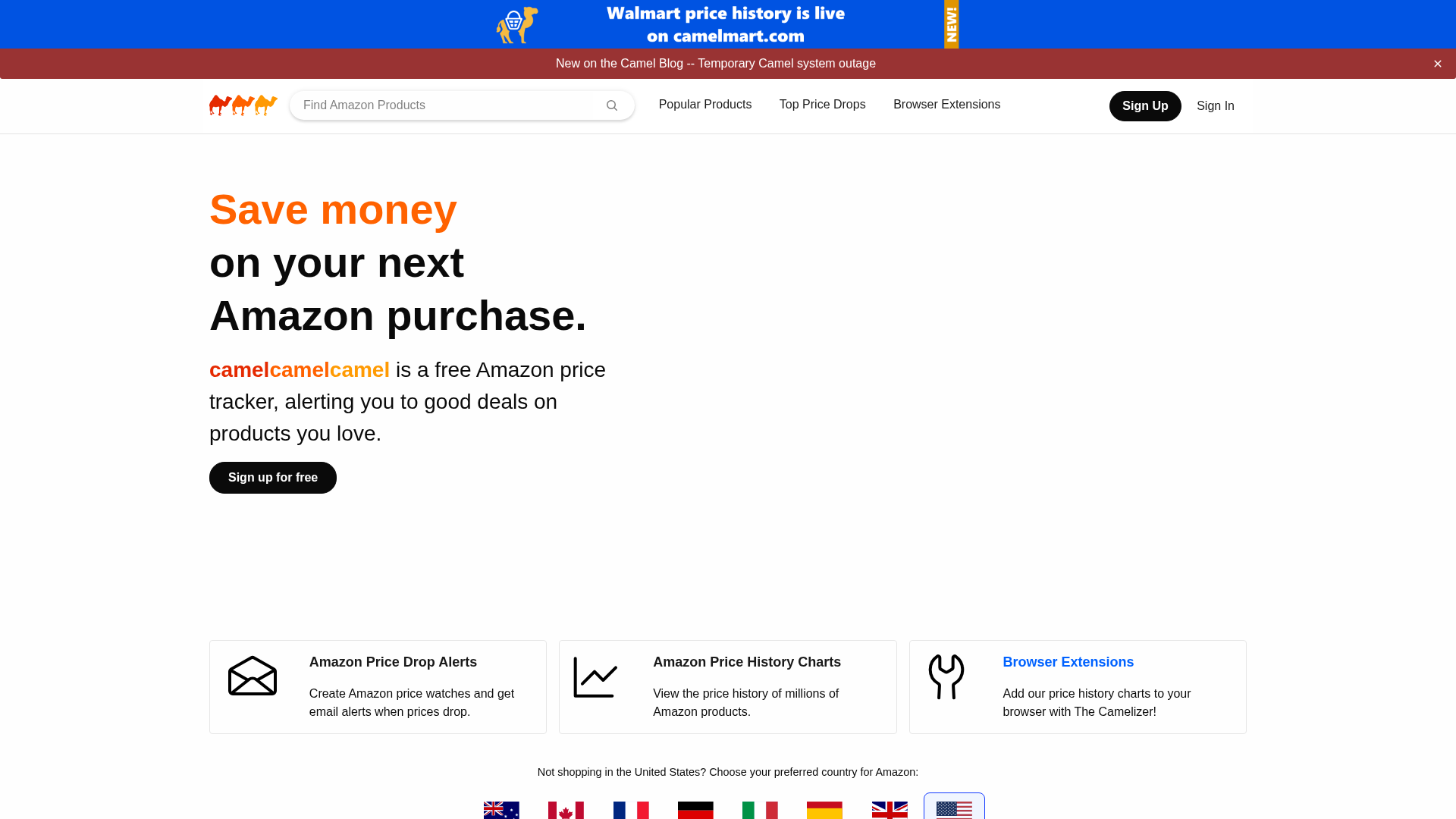
Why Amazon doesn't shut down Camelcamelcamel?
by u/Guyserbun007 in r/webscraping
The thread above about Camelcamelcamel is worth a read. Amazon could almost certainly strangle a price-tracking site that lives off its catalog, and has not. The top comment nails why:
Why would they? The CCC site drives traffic to Amazon.
What it costs
Manual math first: five competitors, fifty products, four minutes per daily check. That is roughly 15 hours a week of someone's time, and the data is stale within days anyway. A scheduled bot does the same lap every night in minutes. Tooling for no-code web scraping starts at zero and scales with volume; proxy bandwidth, where you need it, is the only real marginal cost. We built Automatio around exactly this loop: point at a page, pick fields, schedule, get rows into Sheets or via an API, alert on change.
If the next question is what to do with all that price data once it lands, we wrote about turning scraped data into decisions here. Set up one competitor tonight. Tomorrow morning you will have your first column of real numbers, and the Monday ritual can retire.